EN
EN TH
TH
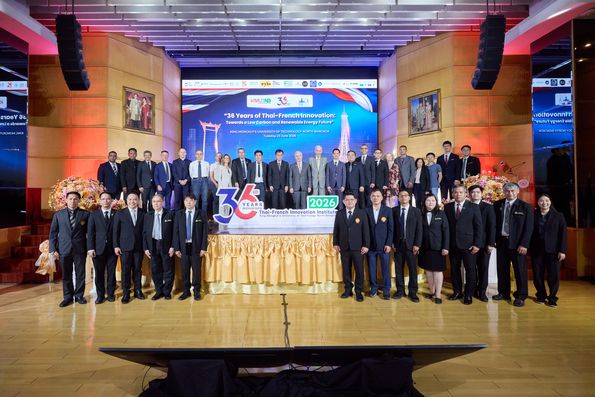
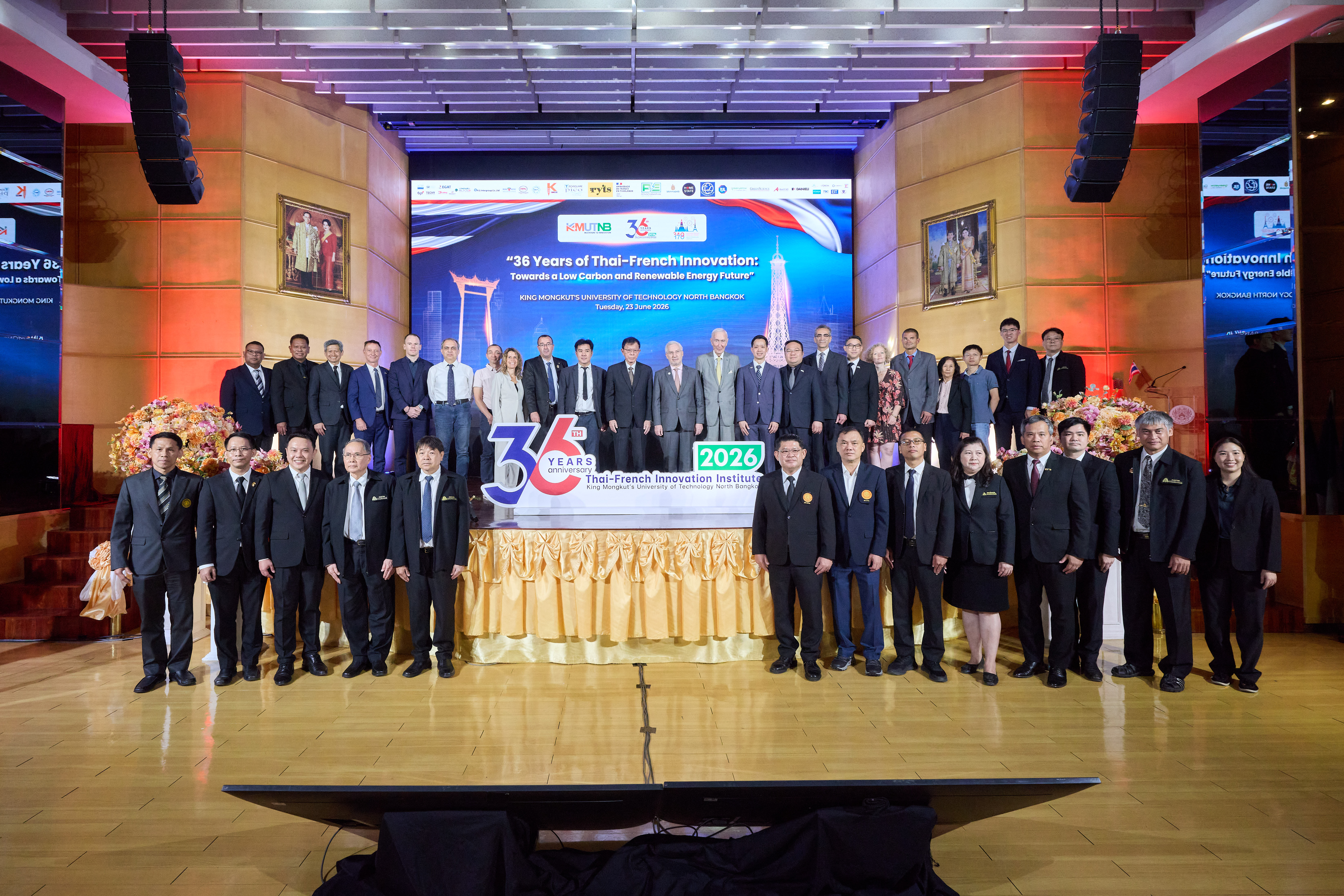
TFII of KMUTNB Celebrates Its 36th Anniversary, Championing Advanced Innovation to Drive a Low-Carbon Industry Towards a Sustainable Future
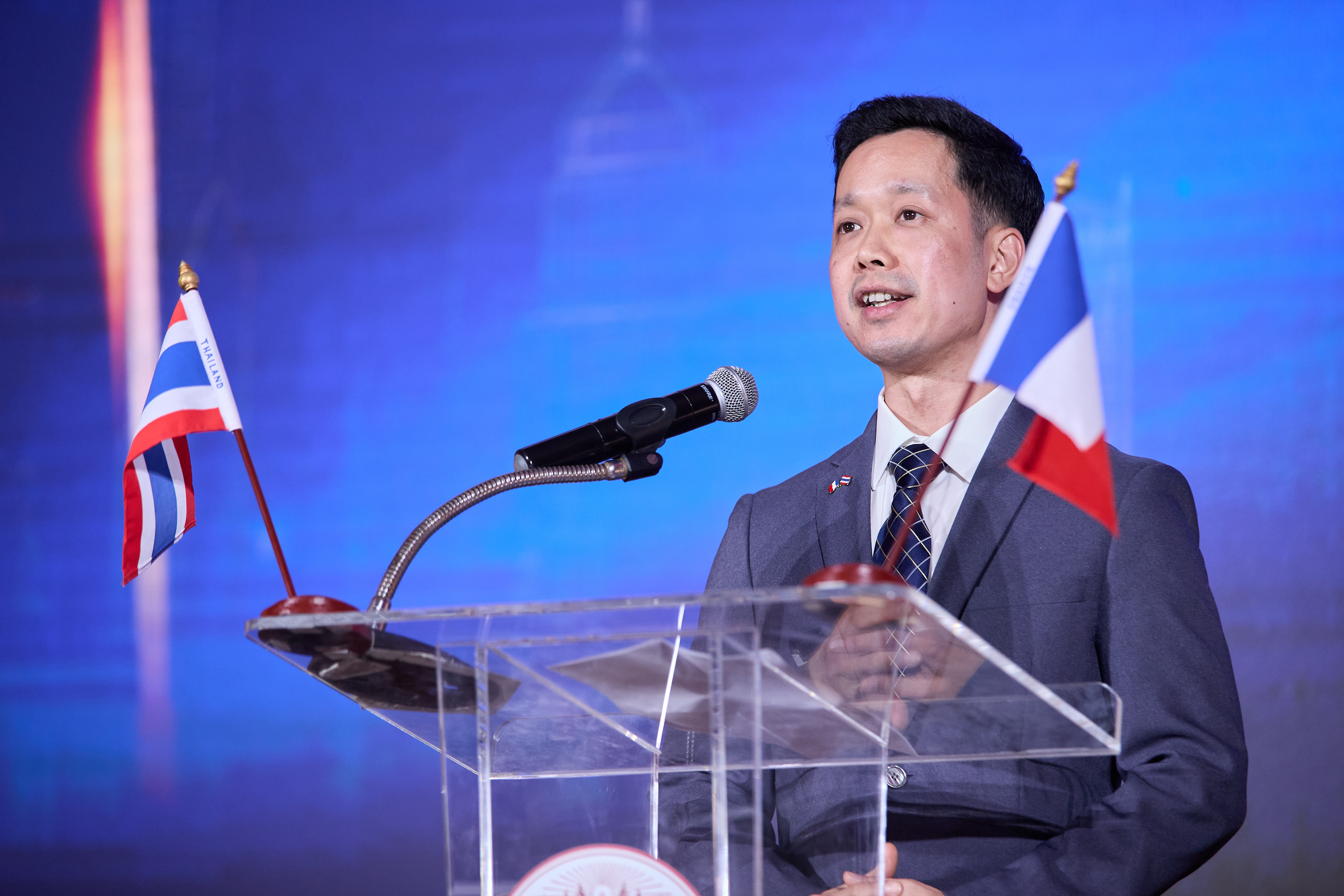
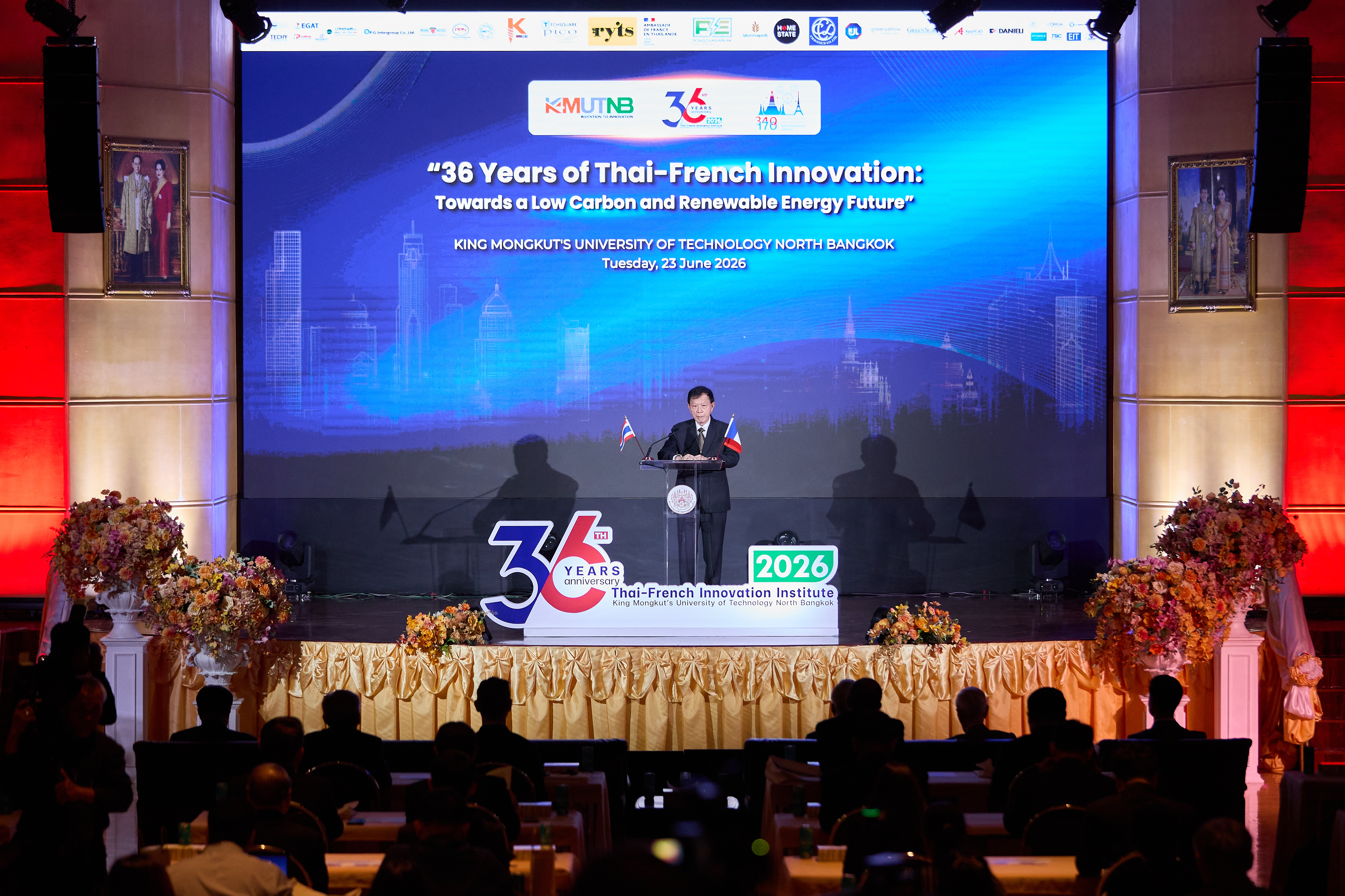
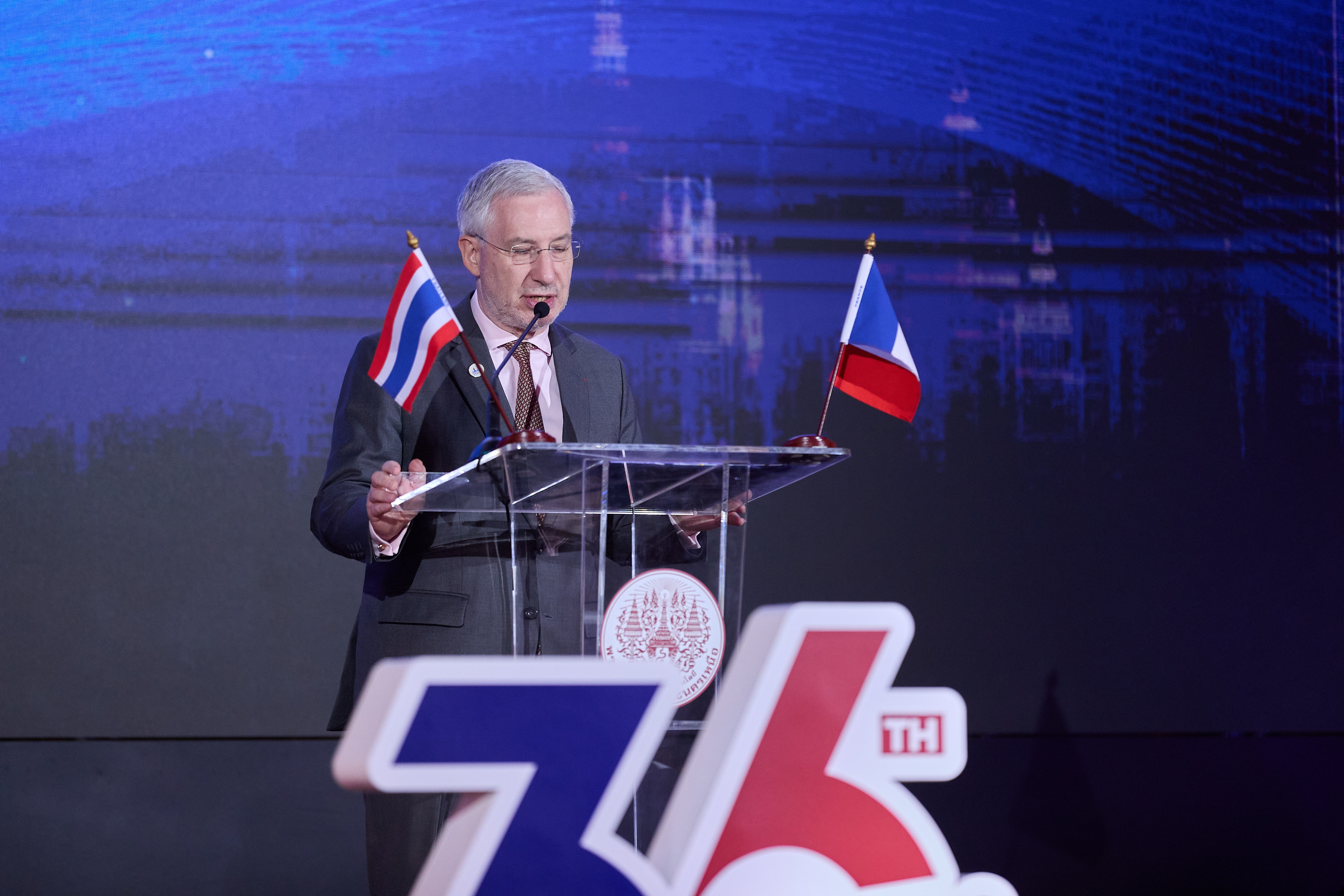
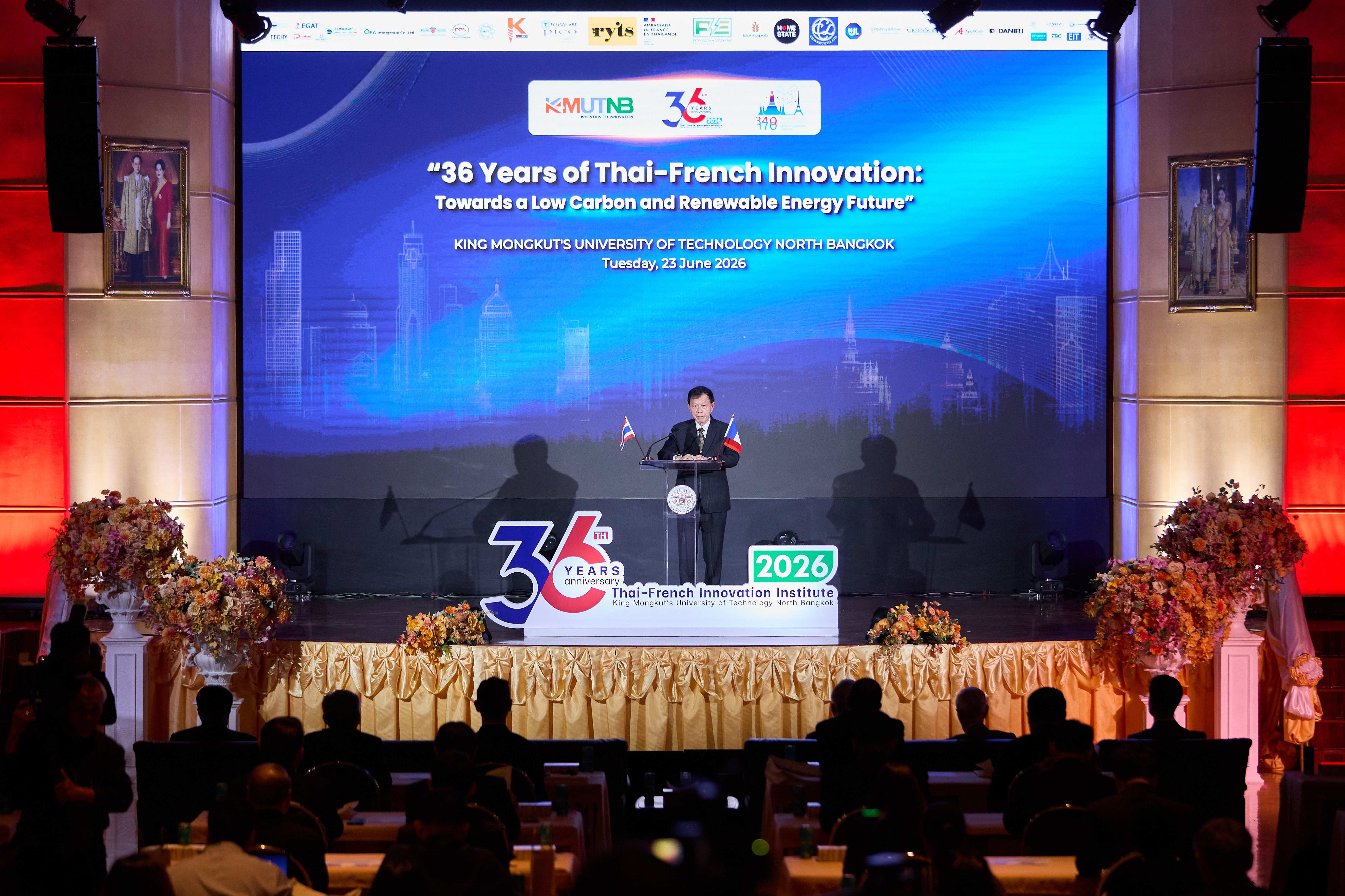
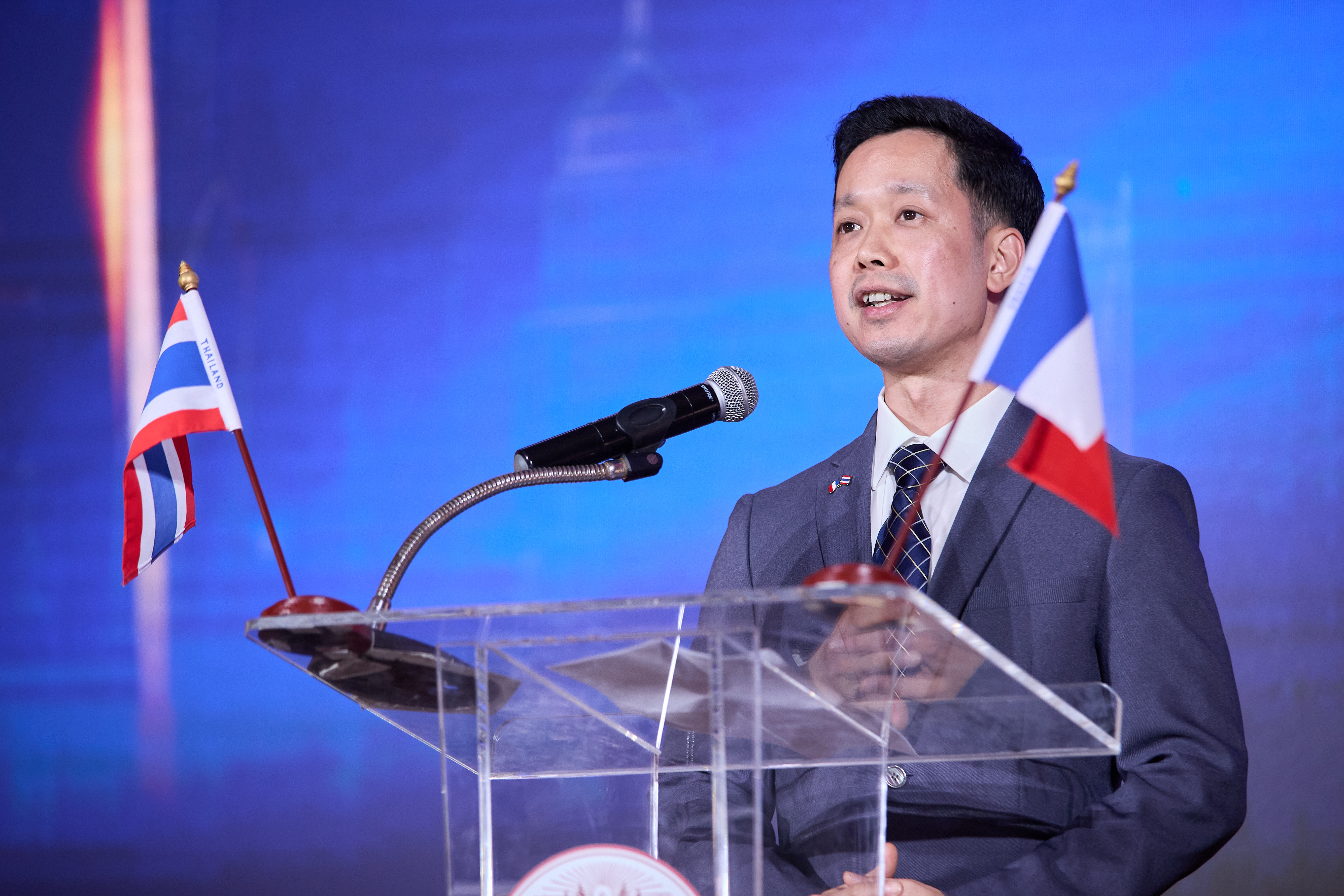
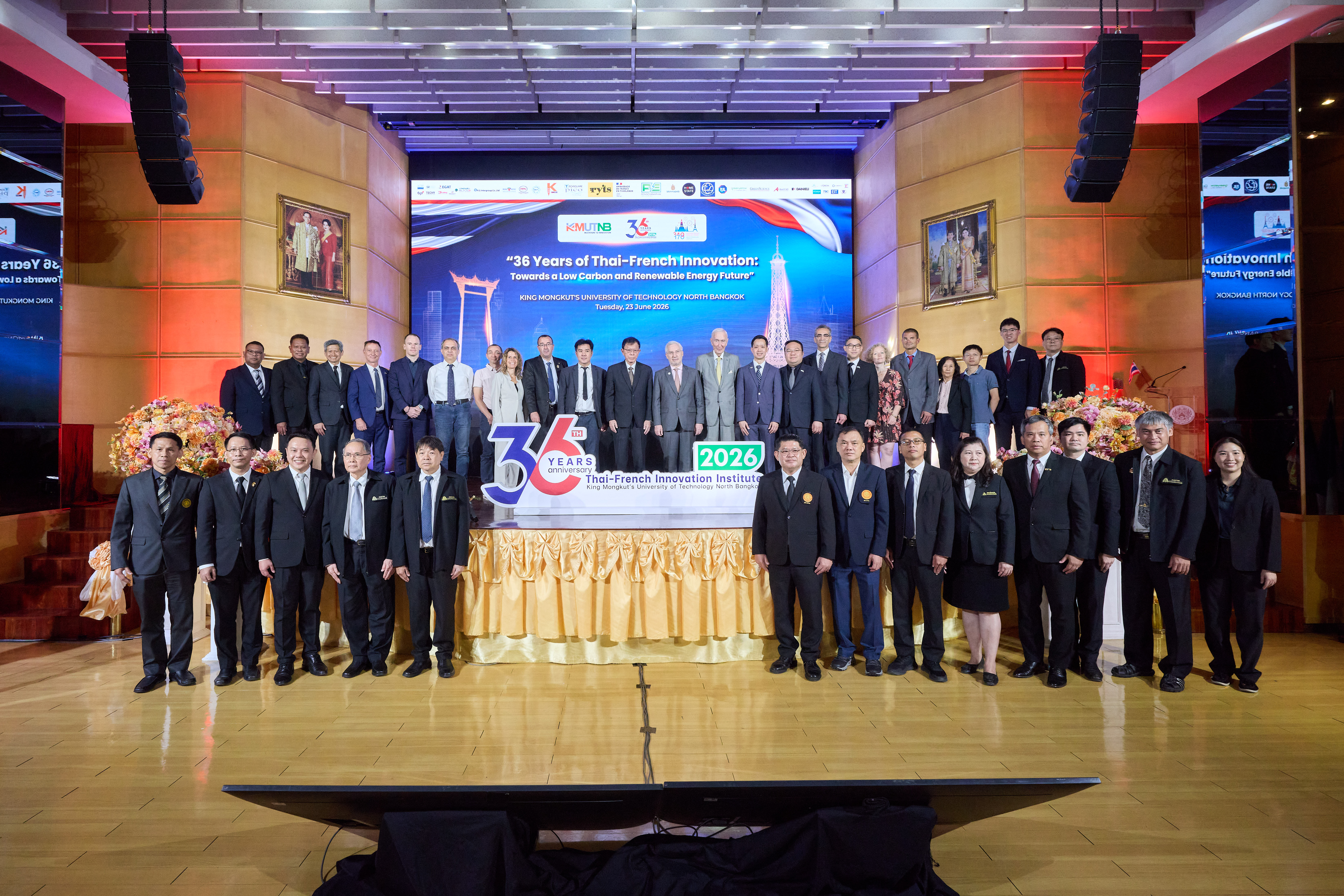
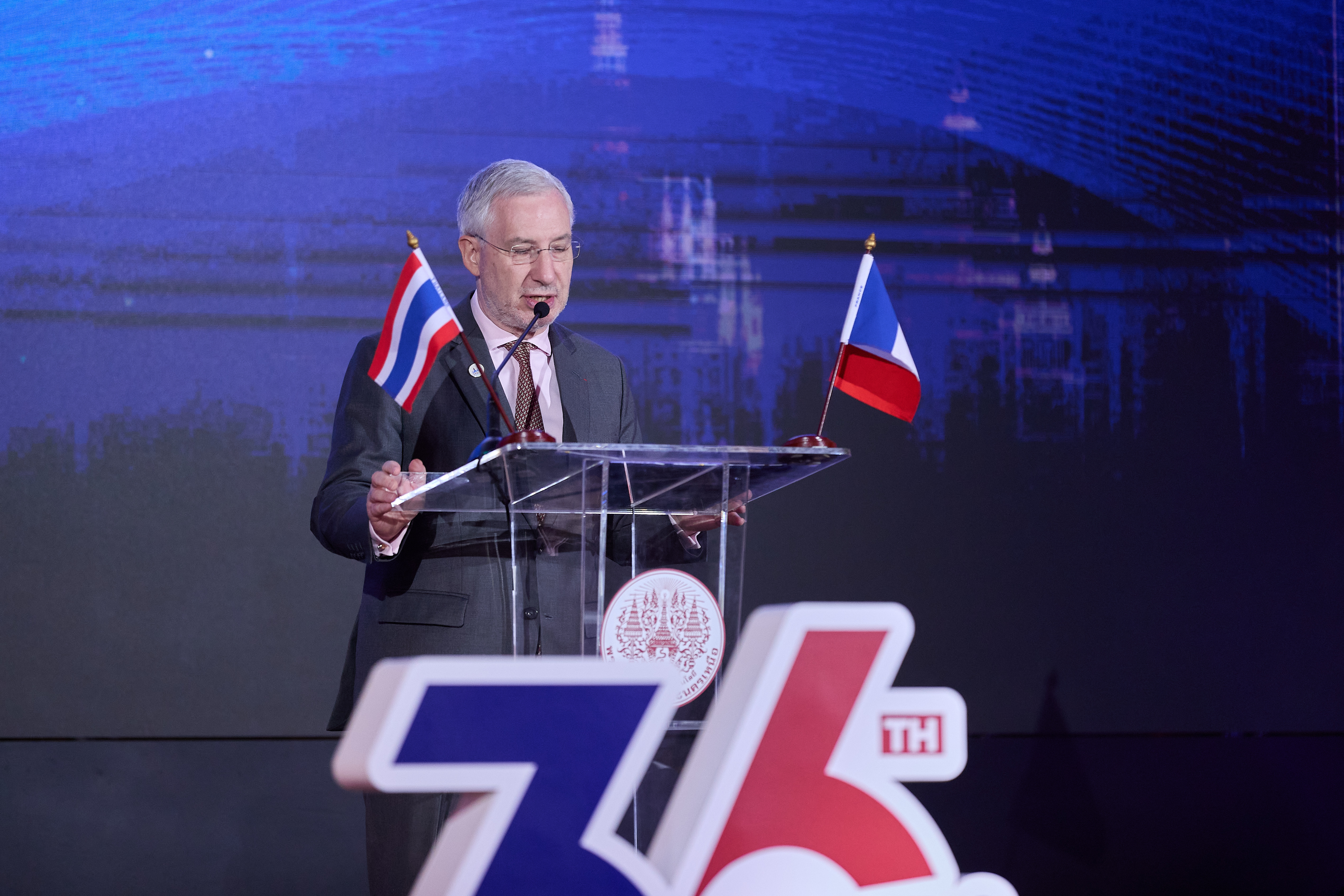
On 23 June 2026, the Thai-French Innovation Institute (TFII) of King Mongkut's University of Technology North Bangkok (KMUTNB) celebrated its 36th anniversary under the theme, “36 Years of Thai-French Innovation: Towards a Low-Carbon and Renewable Energy Future.” The event was honored by the presence of H.E. Mr. Jean-Claude Poimboeuf, Ambassador of France to Thailand, who delivered the opening remarks. Prof. Dr. Teravuti Boonyasopon, Chairman of the KMUTNB Council Committee, delivered the welcoming address. Also in attendance were Dr. Punpermsak Aruni, Deputy Permanent Secretary for Higher Education, Science, Research and Innovation (MHESI), Asst. Prof. Dr. Pornsak Srisungsitthisunti, Director of the Thai-French Innovation Institute, university executives, representatives from partner universities and industries, researchers, alumni, and distinguished guests. The celebration took place at Benjarat Hall, Navamindra Rajini Building, KMUTNB.
This year's celebration was particularly significant as it coincided with the 170th anniversary of diplomatic relations between Thailand and France, reaffirming the long-standing and sustainable cooperation between the two countries in education, science, technology, and innovation.
Established in 1992 under the cooperation between the Governments of Thailand and France, the Thai-French Innovation Institute (TFII) began with engineering equipment support from France valued at more than THB 140 million. Throughout its development, TFII has played a significant role in advancing Thailand's industrial sector through its outstanding achievements. The Institute has developed more than 127,000 personnel through over 5,000 specialized training programs and has provided services to more than 3,000 organizations and enterprises. Over the past five years, TFII has implemented more than 1,100 academic service projects, conducted over 600 testing and inspection projects, and analyzed more than 3,500 industrial samples while consistently maintaining customer satisfaction levels above 90%. The Institute has also produced more than 130 publications in international academic journals, which have received over 1,400 citations.
Another tangible achievement of TFII lies in the development of high-quality academic personnel. Numerous faculty members and researchers of KMUTNB have pursued and completed advanced studies at leading universities in France, thereby strengthening the internationalization of Thai higher education.
At present, TFII focuses on strategic areas that support the transition towards a low-carbon society and renewable energy utilization through emerging technologies and intelligent industrial systems, including:
1. Welding Technology
2. Corrosion Engineering
3. Electrical and Energy Engineering
4. Automation Systems
5. Smart Manufacturing
6. Renewable Energy
7. Hydrogen Technology
8. Industrial Innovation
These strategic areas are driven by specialized centers of excellence and research centers, namely the TFII–Schneider Electric Center of Excellence, the Center of Excellence in Electrochemistry and Corrosion Technology (CoE-ECT), the Electrical Engineering–Thai French Research Center (EE-TFRC), and the Renewable Energy Research Center (RERC).
H.E. Mr. Jean-Claude Poimboeuf, Ambassador of France to Thailand, remarked, “TFII is one of the most outstanding and tangible success stories of Thai-French cooperation. The Institute not only reflects the long-standing friendship between our two countries, but also continues to play a vital role in promoting collaboration in education, research, innovation, and industrial development.”
Also, Asst. Prof. Dr. Pornsak Srisangsittisunti, Director of TFII, stated, “For more than three decades, TFII has served as an important platform for technology transfer and advanced engineering education. This success reflects the power of international collaboration. As we enter our fourth decade, we remain committed to enhancing national competitiveness and driving innovation for Thailand's sustainable growth and development.”